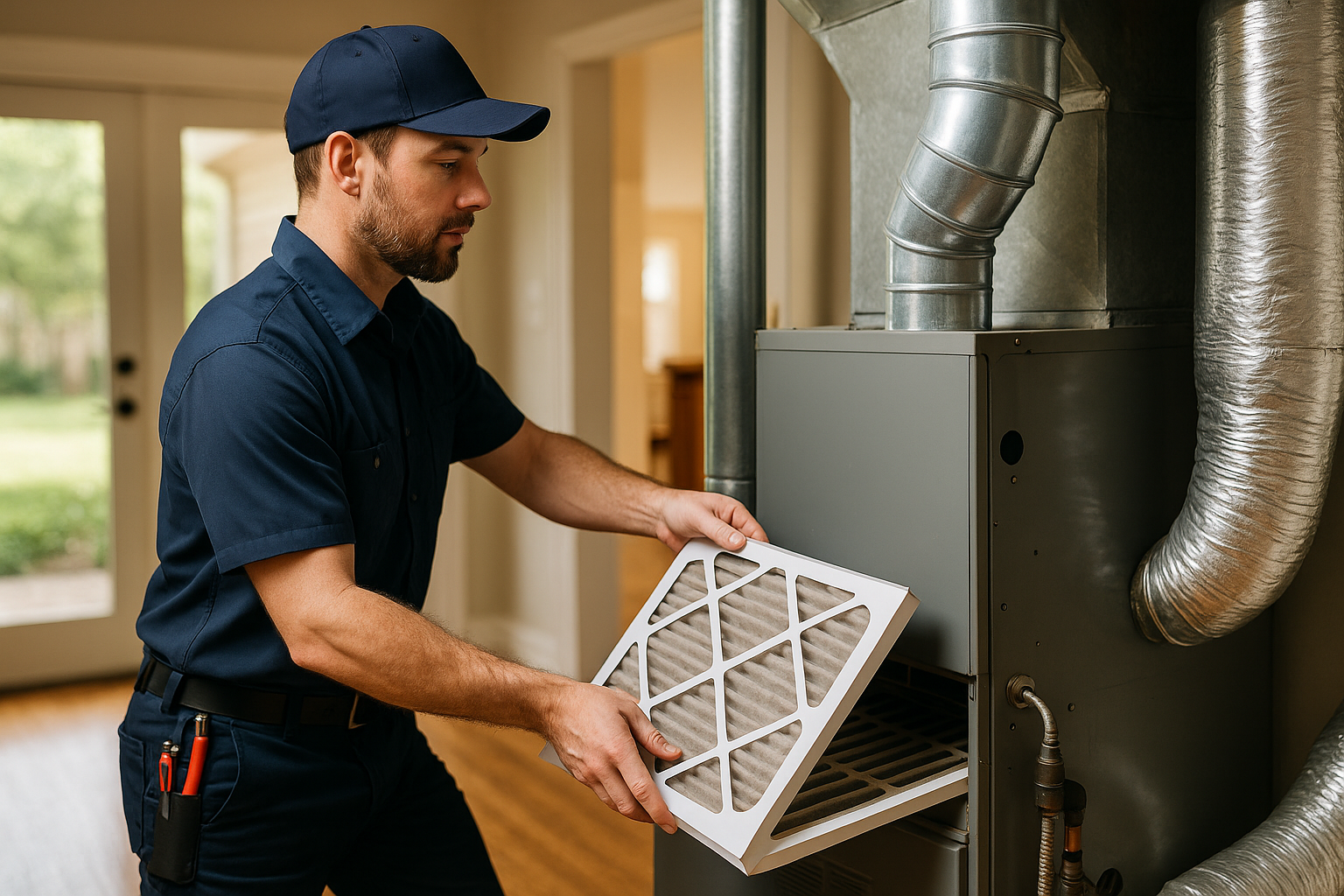
How Often Should I Change Air Filters in Chattanooga's Humid Climate?
In Chattanooga's humid climate, you should change standard 1-inch air filters every 30-45 days during peak summer months and every 60-90 days during milder seasons. The city's year-round humidity averaging 70-80% causes filters to clog faster than in drier climates, requiring more frequent replacement for optimal HVAC performance.
Why Chattanooga's Climate Demands More Frequent Filter Changes
Chattanooga's unique climate creates challenging conditions for HVAC systems. With hot, humid summers featuring July highs around 87°F and heat index readings above 95°F, your air conditioning works overtime. This heavy AC demand, combined with high humidity levels, means your system processes more moisture-laden air that can quickly saturate filters.
The constant moisture in the air creates ideal conditions for mold and mildew growth within HVAC systems. When filters become damp and clogged, they lose effectiveness and can become breeding grounds for these harmful microorganisms. Areas like North Shore and Red Bank, being closer to the Tennessee River, often experience even higher humidity levels that can accelerate filter degradation.
Seasonal Air Filter Change Schedule for Chattanooga
Summer Months (May through September)
During Chattanooga's intense summer season, change standard 1-inch filters every 30-45 days. Your HVAC system runs almost continuously to combat the oppressive heat and humidity, processing enormous volumes of air. The air filter change frequency chattanooga humidity demands increases significantly during this period due to:
- Continuous AC operation straining filters
- Higher pollen counts from Tennessee Valley vegetation
- Increased indoor air circulation
- Moisture accumulation accelerating filter saturation
Winter and Mild Seasons
From October through April, you can extend filter changes to every 60-90 days. While Chattanooga's winters are mild with January lows near 30°F, occasional freezes can trigger heat pump defrost cycles. These cycles, combined with backup heat operation, still require clean filters for efficient performance, though the air filter change frequency chattanooga humidity levels are somewhat less demanding.
Signs Your Filter Needs Immediate Replacement
Don't rely solely on calendar dates. Watch for these indicators that your filter requires immediate attention:
- Visible dirt, dust, or discoloration on the filter surface
- Musty odors when the system runs
- Reduced airflow from vents
- Higher than normal energy bills
- Increased allergy symptoms among household members
In neighborhoods like Signal Mountain and Lookout Mountain, where elevation changes can affect humidity patterns, these signs may appear sooner than expected.
Filter Types and Their Lifespans in Humid Conditions
Different filter types respond differently to Chattanooga's humid environment. Standard fiberglass filters offer minimal resistance to moisture but provide basic protection. Pleated filters with higher MERV ratings trap more particles but may clog faster in humid conditions. High-efficiency filters can last longer but require careful monitoring to prevent airflow restriction.
The key is matching your filter choice to your specific needs while accounting for the air filter change frequency chattanooga humidity demands. Consult with local HVAC professionals who understand Tennessee's climate challenges to determine the best filter type for your system.
Professional HVAC Maintenance in Chattanooga
While homeowners can handle filter changes, comprehensive HVAC maintenance requires professional expertise. Local contractors familiar with Chattanooga's climate can assess your entire system, recommend optimal filter types, and establish maintenance schedules that account for regional humidity challenges.
Professional services typically include ductwork inspection, coil cleaning, and humidity control system evaluation – all crucial for maintaining indoor air quality in Tennessee's demanding climate. Regular professional maintenance, combined with proper air filter change frequency chattanooga humidity schedules, ensures your system operates efficiently year-round.
Frequently Asked Questions
- How does Chattanooga's humidity affect air filter lifespan?
- High humidity causes filters to become saturated with moisture faster, reducing their effectiveness and creating conditions for mold growth, requiring more frequent changes than in drier climates.
- Should I use different filters during Chattanooga's humid summers?
- Consider higher-quality pleated filters during summer months as they handle moisture better than basic fiberglass filters, though they may need changing every 30-45 days.
- What happens if I don't change filters frequently enough in humid weather?
- Clogged, moisture-saturated filters reduce airflow, strain your HVAC system, increase energy costs, and can promote mold growth throughout your ductwork and home.
- Can I extend filter life during Chattanooga's milder winter months?
- Yes, during October through April, you can typically extend filter changes to every 60-90 days since humidity levels are lower and HVAC usage decreases.
- How do I know if my air filter is failing in humid conditions?
- Watch for musty odors, reduced airflow from vents, visible dirt or discoloration on the filter, higher energy bills, or increased allergy symptoms indoors.
About the author: Matt Fowkes, Founder. Matt Fowkes founded the operator to connect homeowners with vetted local service professionals. He's spent over a decade studying how online directories and matching services work — what makes them trustworthy, what makes them fast, and why most fail homeowners.
More hvac guides for Chattanooga
Need hvac help in Chattanooga?
Get matched with a vetted local pro — free, no obligation.